Deep Sea Diving Tours Guide: Essentials for Beginners Explained
Deep sea diving tours often look exciting in photos, but for beginners, they can feel uncertain and overwhelming. The idea of entering deep water, using unfamiliar equipment, and relying on guided systems creates hesitation before the experience even begins.
Many people don’t realize that most deep sea diving tours are designed specifically for first-time divers. These tours focus on safety, structured guidance, and controlled environments that make the experience more manageable than it appears.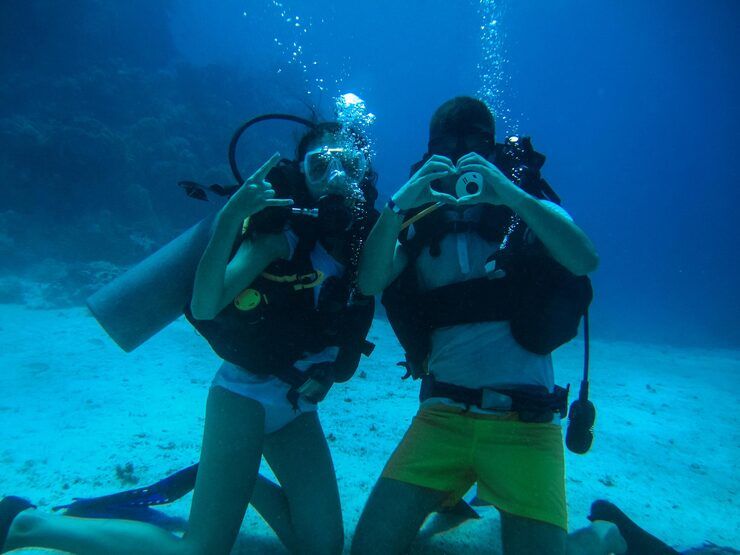
This deep sea diving tours guide explains how these tours work, what beginners should expect, how to compare options, and what factors influence a smooth and enjoyable underwater experience.
What Deep Sea Diving Tours Actually Involve
Deep sea diving tours are guided underwater experiences where trained professionals assist participants in exploring marine environments such as reefs, shipwrecks, or open ocean zones.
This matters because beginners are not expected to handle everything alone. Most tours include equipment, safety instructions, and supervision to reduce risk and confusion.
From a practical perspective, participants are usually briefed on breathing techniques, hand signals, and emergency procedures before entering the water. This preparation builds confidence and reduces panic.
In real-world scenarios, many first-time divers feel nervous initially, but once breathing stabilizes underwater, the experience often becomes calm and immersive.
Types of Deep Sea Diving Tours
Guided Beginner Diving Tours
These tours are designed for first-time divers with minimal experience. They focus on shallow depths and controlled conditions.
This matters because beginners can learn gradually without feeling overwhelmed.
Certification-Based Diving Tours
These tours require prior training or certification. They allow deeper dives and more complex exploration.
In real-world use, they are preferred by repeat travelers looking for extended underwater time.
Adventure or Exploration Diving Tours
These include unique experiences such as wreck dives or marine life-focused dives.
They tend to work when divers are comfortable and want more variety beyond standard tours.
Deep Sea Diving Tours Comparison: What Changes the Experience
| Factor | Basic Tour | Advanced Tour | Impact |
|---|---|---|---|
| Depth | Shallow | Deeper | Affects pressure and skill need |
| Supervision | High | Moderate | Safety vs independence |
| Equipment Support | Fully guided | Partial | Comfort vs control |
| Duration | Short | Longer | Energy usage |
| Cost Level | Lower | Higher | Experience vs budget |
This deep sea diving tours comparison shows that the difference between options is not only about depth but also about control, support, and comfort.
The real difference appears when beginners choose a tour that matches their confidence level rather than selecting the most advanced option.
Decision Thinking: Choosing the Best Deep Sea Diving Tours
Selecting the best deep sea diving tours depends on several factors, including comfort level, physical readiness, and expectations.
For beginners, guided tours with higher supervision tend to work when confidence is still developing. In many cases, structured guidance reduces anxiety and improves overall experience.
One overlooked factor is water condition. Calm water environments often create better first experiences compared to locations with strong currents.
The difference between beginner and advanced tours becomes clear when considering control. Some divers prefer guided movement, while others prefer independence.
In many cases, the best deep sea diving tours are not the deepest or longest ones but those that balance safety, comfort, and enjoyment.
Real-World Beginner Experience Underwater
Many first-time divers expect panic or discomfort, but actual experience can feel very different.
Once underwater, movement becomes slower, breathing becomes rhythmic, and surroundings appear quieter. This shift often reduces stress after the initial entry phase.
However, small challenges such as mask adjustment, ear pressure, or buoyancy control can affect comfort.
In real-world diving tours, instructors usually stay close to beginners, guiding movement and ensuring safety throughout the session.
Common Challenges and Practical Considerations
Deep sea diving tours can involve certain challenges, especially for beginners.
Some people experience ear pressure changes during descent. This matters because proper equalization techniques are needed to stay comfortable.
Another factor is breathing control. Slow and steady breathing improves stability underwater.
Equipment familiarity also plays a role. Understanding how the regulator and mask function can reduce confusion during the dive.
In real-world scenarios, these challenges are manageable when proper instructions are followed and the diver remains calm.
Safety and Preparation in Deep Sea Diving Tours
Safety is one of the most structured aspects of deep sea diving tours.
Before entering the water, participants receive instructions on hand signals, emergency procedures, and communication methods.
This matters because underwater communication is limited, and clear signals ensure safety.
In many tours, instructors monitor each participant closely, especially beginners.
The real difference appears when preparation is taken seriously. Divers who understand instructions tend to feel more confident and perform better underwater.
Future Trends in Deep Sea Diving Tours
Deep sea diving tours are evolving with technology and changing travel preferences.
Virtual training sessions, improved safety equipment, and eco-friendly diving practices are becoming more common.
Some operators are also focusing on marine conservation awareness, encouraging divers to interact responsibly with underwater ecosystems.
Future diving experiences may combine guided safety with more personalized exploration options.
FAQ
1. Are deep sea diving tours safe for beginners?
Most tours are designed with safety measures and supervision for first-time participants.
2. Do I need training before joining a diving tour?
Basic tours usually include training, while advanced tours may require certification.
3. What is the best depth for beginners?
Shallow dives tend to work better when starting out.
4. How long do diving tours last?
Duration depends on tour type, usually ranging from short sessions to longer experiences.
5. What should I prepare before diving?
Understanding breathing techniques and listening to instructions is important.
Conclusion
Deep sea diving tours provide a unique way to explore underwater environments, especially for beginners looking for structured and guided experiences.
From guided beginner tours to advanced exploration options, the right choice depends on comfort level, safety needs, and personal expectations. Many people don’t realize that the best deep sea diving tours are often those that prioritize ease and confidence rather than extreme depth.
As diving experiences continue to evolve, understanding these factors can help create a more enjoyable and controlled first dive.