International Food Festival Tours Overview: Traditions and Cuisine
Food tourism has become one of the fastest-growing segments of modern travel. Travelers increasingly look beyond traditional sightseeing and explore destinations through local cuisine, seasonal festivals, and cultural dining experiences. International food festival tours now attract visitors who want to understand traditions, community identity, and regional storytelling through food.
Many people don’t realize that cuisine often reflects far more than taste preferences. Ingredients, preparation styles, dining customs, and festival rituals frequently reveal environmental conditions, migration history, trade influence, and family traditions that shaped local communities over generations.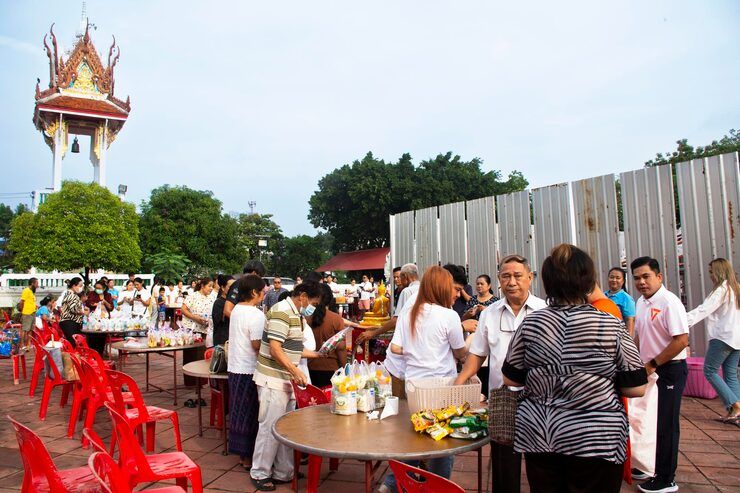
This international food festival tours overview explores how culinary travel experiences work, why food-centered tourism continues growing globally, and what factors travelers often compare before choosing cuisine-focused travel experiences.
Understanding Modern Culinary Tourism
Culinary tourism combines travel experiences with regional food exploration, local dining traditions, and cultural interaction. International food festival tours usually include tasting events, local markets, cooking demonstrations, chef experiences, and destination-specific cuisine activities.
This matters because travelers increasingly seek experiences that feel immersive rather than passive. Food-centered travel creates opportunities for direct interaction with local vendors, chefs, and communities.
In real-world tourism markets, some destinations build entire seasonal travel campaigns around regional food festivals. Coastal regions may highlight seafood traditions, while agricultural areas often focus on harvest celebrations and farm-based culinary experiences.
One overlooked factor is emotional connection. Travelers frequently remember food experiences more vividly than sightseeing details because cuisine engages memory through taste, aroma, atmosphere, and social interaction simultaneously.
Why International Food Festival Tours Continue Expanding
International food festival tours continue growing because they combine multiple travel interests into one experience category.
Food tourism supports cultural exploration, photography, entertainment, and social interaction while also creating opportunities for regional discovery. Travelers often experience local traditions more naturally during food events compared with formal tourism environments.
For example, travelers visiting European food festivals may explore wine culture, open-air markets, and family-owned restaurants within the same itinerary. In Asian culinary destinations, night markets and seasonal food celebrations frequently become central parts of the travel experience.
The real difference appears when food tourism balances authenticity with accessibility rather than creating heavily commercialized experiences disconnected from local culture.
Common Types of Culinary Festival Experiences
Street Food Festival Tours
Street food festivals usually focus on casual local dining culture and fast-paced culinary exploration.
These experiences often attract travelers who want flexible food discovery and stronger interaction with everyday regional cuisine.
Traditional Cuisine Festivals
Traditional cuisine festivals highlight heritage recipes, cooking methods, and long-standing cultural food practices.
In many cases, these events tend to work best for travelers interested in cultural preservation and historical culinary identity.
Luxury Culinary Events
Luxury culinary festivals focus more heavily on chef-led experiences, premium dining environments, and curated hospitality services.
This format becomes more important when travelers prioritize comfort, exclusivity, and structured event quality.
Seasonal Harvest Festivals
Harvest-focused culinary events often celebrate local agricultural cycles, seafood seasons, or regional specialty ingredients.
Many people don’t realize that timing can significantly influence both ingredient quality and overall festival atmosphere.
Decision Thinking: Choosing the Right Food Festival Experience
Choosing between culinary travel experiences usually depends on travel goals, dining preferences, social atmosphere, and cultural interest.
For example, some travelers prefer large international festivals with entertainment programs and extensive food variety. Others may value smaller regional events that create more direct interaction with local chefs and vendors.
One overlooked factor is pace. Large festivals can create exciting energy and food diversity, but they may also involve longer lines, crowded conditions, and shorter vendor interaction.
The real difference appears when travelers match their expectations with the operational style of the festival rather than focusing only on destination popularity.
In many cases, luxury culinary experiences provide smoother logistics and premium hospitality, while independent street food exploration creates stronger spontaneity and local immersion.
Real-World Impact of Food Tourism
Food tourism increasingly influences local economies and destination branding strategies.
Restaurants, transportation providers, hotels, and local markets often benefit directly from food festival tourism. Smaller communities may also gain international visibility when regional cuisine traditions attract global attention.
For example, seasonal seafood festivals in coastal regions may increase hotel demand significantly during short tourism windows. Wine-focused culinary events often attract travelers outside traditional holiday seasons, extending local tourism activity throughout the year.
Many people don’t realize that culinary tourism also helps preserve regional identity. Increased visitor interest often encourages communities to maintain traditional cooking techniques and protect local food heritage.
Challenges Travelers Often Experience
Food festival travel experiences can vary widely depending on organization quality, crowd size, and seasonal conditions.
Large events may create logistical challenges involving reservations, transportation, or long wait times. Some travelers also underestimate how climate conditions or festival timing can affect comfort and pacing.
Another overlooked factor is cuisine familiarity. Certain regional foods may feel unfamiliar or intense for travelers unaccustomed to local ingredients or preparation methods.
In practical travel situations, expectations often shape satisfaction levels more than luxury itself. Travelers who approach food tourism with flexibility and cultural curiosity generally experience fewer disappointments.
The real difference appears when culinary travel is viewed as both a cultural and sensory experience rather than simply a dining activity.
Future Trends in Culinary Travel Experiences
Modern food tourism continues evolving toward more specialized and immersive formats.
Some international food festival tours now focus on sustainability, farm-to-table dining, regional storytelling, and chef-guided experiences. Technology-driven travel planning also makes smaller local food festivals easier for international travelers to discover.
This matters because modern travelers increasingly seek experiences that feel authentic, educational, and experience-driven rather than highly commercialized.
Future culinary tourism may become more focused on wellness cuisine, eco-conscious travel, heritage preservation, and personalized dining experiences linked to regional identity.
FAQ
1. What are international food festival tours?
International food festival tours are travel experiences centered around regional cuisine events, culinary traditions, and destination-based food culture.
2. Why do travelers choose culinary tourism experiences?
Many travelers choose culinary tourism to explore local traditions, authentic cuisine, and cultural interaction through food-focused experiences.
3. What is the difference between street food tours and luxury culinary events?
Street food tours focus on casual local dining culture, while luxury culinary events emphasize premium hospitality and curated dining experiences.
4. Are seasonal food festivals better for authentic cuisine experiences?
In many cases, seasonal festivals provide stronger regional authenticity because they highlight local ingredients and traditional preparation methods.
5. What affects the quality of a culinary travel experience?
Festival organization, crowd size, food quality, timing, and cultural authenticity often influence the overall experience significantly.
Conclusion
International food festival tours continue changing the way travelers explore destinations, traditions, and cultural identity through cuisine.
From street food experiences to premium culinary festivals, food-focused tourism often creates deeper emotional connections than traditional sightseeing alone. Many people don’t realize that cuisine traditions frequently reflect history, climate, migration, and community identity in ways that standard tourism experiences cannot fully capture.
As culinary tourism continues evolving, future food festival experiences may become increasingly immersive, combining regional storytelling, sustainability, and interactive dining into more specialized forms of cultural travel.