Tourism Guide to Popular Places and Travel Planning Ideas
Planning a trip often begins with excitement, but quickly becomes complex when choosing destinations, routes, and the right type of travel tours. With so many options available, even simple tourism plans can feel overwhelming.
Many people don’t realize that tourism is not just about visiting places it is about how travel and tours are structured, how routes are planned, and how experiences are connected. This often leads to unexpected outcomes where some trips feel smooth and engaging, while others feel rushed or disorganized.
In this tourism guide, you will explore how travel tours are structured, how group travel tours and private travel styles differ, and how planning decisions influence real-world travel experiences.
Understanding Tourism and Travel Planning Systems
Tourism involves the movement of people across destinations, but the experience depends on how well travel and tours are organized.
This matters because planning includes multiple elements such as timing, transportation, and destination sequencing. Without structure, even popular destinations can become difficult to navigate.
From a practical perspective, a tourism website or trip planning system often uses route optimization, time allocation, and activity grouping to improve travel efficiency. Travel tours are typically designed to balance coverage and experience.
In real-world scenarios, structured tourism planning often results in better time utilization, while unstructured travel may lead to missed attractions and inefficient routing.
Exploring Travel Tours and Experience Types
Travel tours vary based on how experiences are designed and delivered.
Group travel tours focus on shared experiences, structured itineraries, and predefined schedules. These are often used by travelers who prefer convenience and guided exploration.
Adventure travel companies design tours that emphasize activity-based experiences such as trekking, water sports, or outdoor exploration. These tours often require more physical involvement.
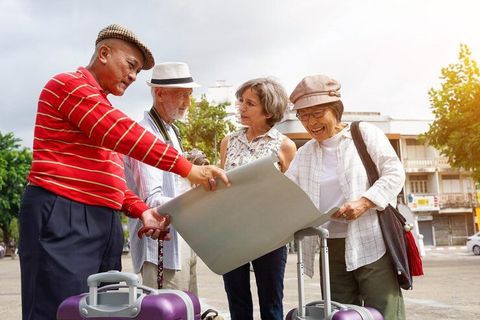
Travel tours for seniors typically prioritize comfort, slower pacing, and accessibility, ensuring that travel remains manageable and enjoyable.
This matters because each type of travel tours influences how the journey feels. The real difference appears when the travel style matches the traveler’s expectations and physical comfort.
Group Travel Tours vs Flexible Travel Planning
| Factor | Group Travel Tours | Flexible Travel Planning |
|---|---|---|
| Structure | Fixed itinerary | Adjustable routes |
| Decision Effort | Low | High |
| Experience Style | Shared | Personalized |
| Time Efficiency | Optimized | Variable |
This comparison highlights how different planning approaches affect tourism experiences.
Group travel tours provide convenience and structured planning, reducing the need for constant decision-making. Flexible travel planning allows customization but requires more involvement.
The real difference appears when travelers decide between convenience and control each approach creates a different experience dynamic.
Decision Thinking: Choosing the Best Travel and Tours Approach
Selecting the best travel and tours approach often depends on how different factors interact.
Some travelers prefer structured itineraries offered by tours and travels services, while others lean toward independent exploration supported by a tourism website.
Eco tourism is becoming an important consideration, especially for travelers who want to minimize environmental impact while exploring natural destinations.
One overlooked factor is travel pace. Fast-paced tours may cover more destinations, while slower travel allows deeper exploration.
Because of these differences, the most suitable approach depends on how convenience, flexibility, and purpose align rather than choosing a single method.
Real-World Tourism Behavior and Travel Experience
Tourism behavior becomes clearer when observed in real travel situations.
In crowded destinations, group travel tours often move efficiently through planned routes, reducing delays. Independent travelers may spend more time navigating logistics.
Adventure travel companies create experiences that rely on timing and coordination, where delays can impact the overall schedule.
Travel tours for seniors often include built-in flexibility to handle rest periods and accessibility needs, improving comfort during longer trips.
These examples show that tourism experiences are shaped not just by destinations, but by how travel is structured.
Trade-Offs in Tourism Planning
Tourism planning involves trade-offs that are not always obvious.
Group travel tours simplify planning but may limit flexibility. Independent travel offers freedom but may increase complexity.
Using tours and travels services can reduce effort, but may reduce spontaneity. On the other hand, unstructured travel allows exploration but introduces uncertainty.
The real difference appears when these trade-offs align with traveler expectations, influencing whether the trip feels smooth or stressful.
Emerging Trends in Tourism and Travel Planning
Tourism is evolving as technology and traveler preferences change.
Tourism website platforms now offer real-time planning tools, helping travelers adjust routes and schedules dynamically. Eco tourism is gaining attention as sustainability becomes a priority.
Adventure travel companies are expanding offerings to include more immersive experiences, while travel tours for seniors are focusing on comfort and accessibility.
In real-world usage, these trends aim to improve both efficiency and experience, though their effectiveness depends on how they are integrated into travel planning.
FAQ
1. What is tourism in travel planning?
Tourism refers to the organized movement of travelers across destinations.
2. What are travel tours?
Travel tours are structured travel experiences with planned routes and activities.
3. What is the difference between group travel tours and independent travel?
Group travel tours follow fixed plans, while independent travel allows flexibility.
4. What is eco tourism?
Eco tourism focuses on environmentally responsible travel practices.
5. Are travel tours for seniors different?
Yes, they are designed for comfort, accessibility, and slower pacing.
Conclusion
Tourism is shaped by how travel routes, planning systems, and experiences are structured. From group travel tours to flexible travel planning, each approach offers a different balance of convenience and control.
Many people don’t realize that the best tourism experience depends on how travel and tours align with personal preferences and real-world conditions. The real difference appears when planning structure matches travel intent.
Exploring these dynamics can reveal new ways to approach travel planning, especially when balancing efficiency, flexibility, and experience.