Digital Nomad Travel Explore: Best Ways to Work While Moving
Working from anywhere sounds ideal until movement, schedules, internet access, and productivity begin colliding. Many people imagine freedom first, but digital nomad travel often depends more on systems than spontaneity.
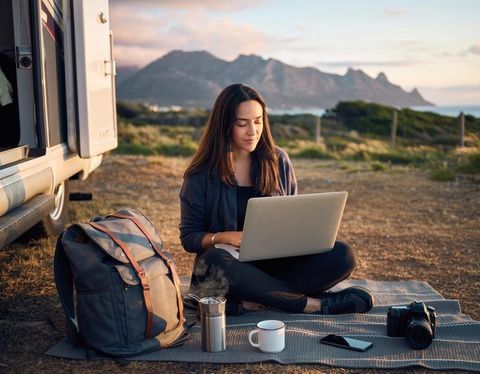
Many people don’t realize that the best digital nomad setups are usually built around routine, connectivity, and financial planning rather than constant motion. This often leads to unexpected outcomes where slower nomad traveling creates better results than rapid country hopping.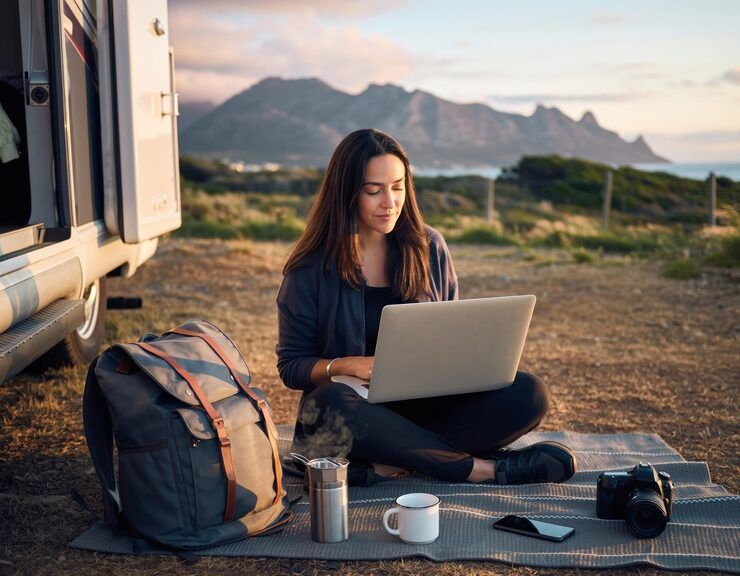
In this guide, you will explore how digital nomad travel works, how the digital nomad lifestyle changes decision-making, and what actually helps people work for nomads while staying mobile.
What Is Digital Nomad Travel and Why It Keeps Growing
Digital nomad travel refers to earning income remotely while moving between cities or countries. A digital nomad may work through freelancing, online business, consulting, content creation, or distributed company roles.
This matters because work location is no longer tied to one office. With stronger internet infrastructure and collaboration tools, more people can design mobility around income.
From a practical perspective, successful nomad travel usually combines stable work hours, reliable internet, and manageable living costs. In real-world examples, many remote workers choose one city for one to three months instead of moving weekly.
The real difference appears when travel supports work instead of disrupting it.
Types of Nomad Traveling Approaches
Slow Travel Nomad
Slow nomad traveling means staying longer in one location. This matters because routines become easier to maintain. In real-world use, longer stays often improve productivity and reduce stress.
Fast Move Nomad
This style focuses on frequent movement across destinations. It can feel exciting, but constant logistics may reduce focus. Many people underestimate transition fatigue.
Base Hub Nomad
A digital nomad uses one affordable city as a base and takes shorter trips outward. This approach often balances stability with exploration.
Best Digital Nomad Travel Destinations Compared
| Factor | Low-Cost Cities | Premium Cities |
|---|---|---|
| Monthly Cost | Lower | Higher |
| Networking | Moderate | Strong |
| Comfort Infrastructure | Varies | High |
| Lifestyle Pace | Flexible | Fast |
This comparison matters because destination choice changes both work output and experience.
Low-cost cities may extend runway and reduce pressure. Premium cities may offer stronger coworking scenes, faster services, and business access. The real difference appears when your income level meets your operating costs.
Decision Thinking: Choosing the Best Way to Work While Moving
The best digital nomad travel model depends on how income, routine, and movement interact.
If deep focus work is critical, slower movement tends to work when concentration matters. If networking and opportunity creation matter more, faster-changing locations may help.
For freelancers, stable schedules often outperform constant travel excitement. For creators or explorers, movement itself can generate content value.
One overlooked factor is energy management. Travel days, timezone changes, and housing transitions can silently reduce output.
Because of this, the best system depends on whether work funds travel or travel supports work.
Real-World Behavior: What Most Nomads Learn Late
Many first-time nomads focus on destinations first and operations later. In reality, internet quality, desk comfort, call privacy, and time-zone overlap often matter more than scenery.
A person doing client calls may struggle in noisy hostels. Someone running asynchronous work may do well almost anywhere.
Worldnomad style travel communities often highlight freedom, but long-term success usually comes from repeatable systems: backup internet, payment tools, cloud storage, and calendar discipline.
The real difference appears when lifestyle branding meets daily execution.
Trade-Offs in the Digital Nomad Lifestyle
The digital nomad lifestyle offers flexibility, but every benefit has trade-offs.
Freedom may come with unstable routines. New experiences may reduce consistency. Lower living costs may require infrastructure compromises.
A strong social life in one city may be lost after moving. Higher mobility can also create decision fatigue.
This is why many experienced nomads simplify choices through recurring travel routes, fixed work blocks, and fewer location changes.
Tools and Work Systems That Help Nomads
Reliable systems often matter more than motivation.
Useful foundations include:
- Cloud document storage
- VPN and security tools
- Time-zone scheduling apps
- Expense tracking systems
- Backup mobile internet
For work for nomads, process design can outperform talent alone. Missing one client call because of poor planning can cost more than weeks of cheap travel savings.
Future Trends in Nomad Travel
Nomad travel is evolving beyond solo backpacking models.
More couples, families, and professionals now use location-flexible work. Cities are creating remote worker visas, coworking ecosystems, and long-stay housing products.
Go nomad travel trends also show growing interest in wellness travel, productivity retreats, and smaller second-tier cities.
The real difference appears when mobility becomes normal rather than niche.
FAQ
1. What is digital nomad travel?
It means working remotely while moving between locations.
2. Is the digital nomad lifestyle productive?
It depends on systems, routine, and how often you move.
3. What is the best city for nomad travel?
That depends on budget, internet quality, visa rules, and work style.
4. How do people work for nomads lifestyles?
Usually through remote jobs, freelancing, online business, or consulting.
5. Is slow travel better than fast nomad traveling?
In many cases, slower travel supports stronger consistency.
Conclusion
Digital nomad travel is less about endless movement and more about designing a mobile system that protects income, focus, and flexibility. The best digital nomad approach depends on how work demands align with travel rhythm.
Many people don’t realize that digital nomad travel becomes easier when routines, tools, and realistic movement patterns are in place. The real difference appears when freedom is supported by structure.