Tour Guide: Explore Essential Travel Routes and Planning Basics
Planning a trip often starts with excitement, but quickly turns into confusion when multiple travel routes, schedules, and options begin to overlap. Without a clear direction, even simple trips can feel overwhelming.
Many people don’t realize that using a structured tour guide approach can significantly influence how a trip unfolds. This often leads to unexpected outcomes where well-planned routes create smooth experiences, while unstructured travel creates delays and missed opportunities.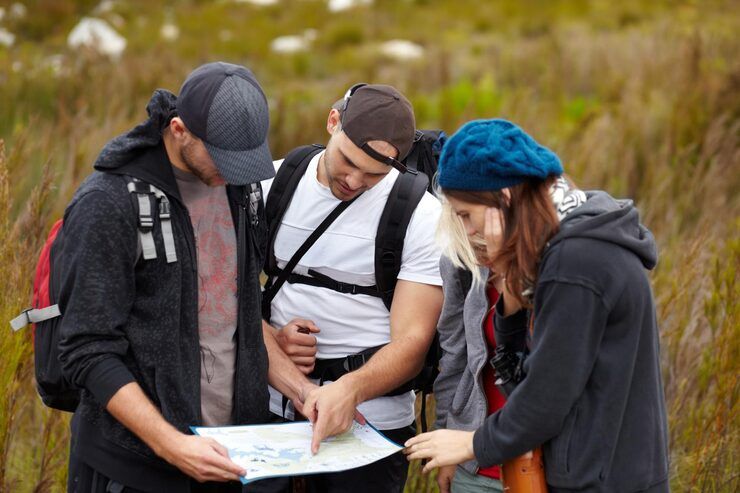
In this tour guide overview, you will explore how travel routes are structured, how trip planner strategies shape decisions, and how different tour guide systems influence real-world travel experiences.
Understanding How Tour Guide Systems Shape Travel Planning
A tour guide system refers to the structured way travel routes, schedules, and experiences are organized to help travelers navigate destinations efficiently.
This matters because travel involves multiple variables such as timing, distance, and local accessibility. Without a system, even popular destinations can become difficult to manage.
From a practical perspective, a trip planner often uses route mapping, timing coordination, and activity sequencing to optimize travel flow. Tour guide systems may also include local insights that are not easily accessible through basic research.
In real-world scenarios, travelers relying on structured planning tend to cover more locations with less confusion, while unplanned trips may result in missed connections or inefficient routing.
Exploring Travel Route Options and Planning Dimensions
Travel routes are not just about moving from one location to another; they reflect how experiences are connected across a journey.
Some routes focus on covering maximum destinations within limited time, while others prioritize depth of experience at fewer locations. A tourist guide often helps balance these approaches based on travel goals.
This matters because route selection directly affects time usage, energy levels, and overall experience. Many people don’t realize that poorly structured routes can lead to fatigue and reduced enjoyment.
The real difference appears when routes are aligned with travel intent whether the goal is exploration, relaxation, or cultural immersion.
Comparing Tour Groups and Private Tours
| Factor | Tour Groups | Private Tours |
|---|---|---|
| Flexibility | Limited | High |
| Personalization | Low | High |
| Cost Distribution | Shared | Individual |
| Schedule Control | Fixed | Adjustable |
This comparison highlights how different travel formats influence experience.
Tour groups often provide structured itineraries and shared experiences, making them suitable for travelers seeking convenience. Private tours offer more flexibility and customization, allowing travelers to adjust routes and timing.
The real difference appears when preferences vary some travelers value social interaction and structure, while others prioritize control and personalization.
Decision Thinking: Choosing Between Tour Guide Options
Selecting the best tour guide approach often depends on how travel priorities align with available options.
A local tour guide may provide in-depth cultural insights and access to hidden locations that are not commonly included in standard itineraries. In contrast, organized tour groups tend to focus on efficiency and coverage.
Private tours may offer flexibility, but they may also require more active decision-making during the trip. This often leads to a balance between convenience and control.
One overlooked factor is travel pace. Some travelers prefer fast-paced itineraries covering multiple destinations, while others prefer slower experiences with deeper engagement.
Because of these variables, the most suitable option depends on how flexibility, guidance, and personal preferences interact rather than choosing a single format.
Real-World Travel Scenarios and Tour Guide Behavior
The effectiveness of a tour guide becomes more visible in real travel situations.
In crowded destinations, a local tour guide may help navigate efficiently, avoiding delays and optimizing timing. Without such guidance, travelers may spend more time managing logistics than enjoying the experience.
During multi-city trips, tour guide systems that integrate transportation and scheduling tend to reduce confusion. Travelers relying solely on independent planning may face challenges in coordinating timings.
In private tours, adaptability becomes a key factor. Routes can change based on interest or conditions, while tour groups may follow fixed schedules regardless of external factors.
These scenarios highlight how different approaches influence the actual travel experience beyond initial planning.
Trade-Offs in Travel Planning and Route Selection
Travel planning often involves trade-offs that are not immediately obvious.
Tour groups provide convenience but may limit flexibility. Private tours offer control but may require more involvement in decision-making.
Using a trip planner can simplify organization, but it may also reduce spontaneity. On the other hand, unstructured travel may increase freedom but introduce uncertainty.
The real difference appears when these trade-offs align with travel expectations, shaping whether the experience feels efficient or restrictive.
Evolving Trends in Tour Guide Systems
Tour guide systems are evolving as technology and travel behavior change.
Digital trip planner tools are becoming more advanced, offering real-time updates and route optimization. There is also growing demand for personalized experiences through private tour guide services.
Sustainable travel is influencing route design, with more focus on reducing environmental impact and supporting local communities.
In real-world usage, these trends aim to improve both efficiency and experience, though their impact often depends on how they are applied in specific travel contexts.
FAQ
1. What is a tour guide system?
It is a structured approach to organizing travel routes, schedules, and experiences.
2. How does a trip planner help in travel?
A trip planner helps organize routes, timing, and activities efficiently.
3. What is the difference between tour groups and private tours?
Tour groups follow fixed schedules, while private tours offer more flexibility.
4. Why is a local tour guide useful?
A local tour guide provides insights and access to less obvious locations.
5. Are private tours better than tour groups?
It depends on travel preferences, flexibility needs, and desired experience.
Conclusion
A tour guide plays a critical role in shaping travel experiences, influencing how routes are planned and how efficiently destinations are explored. From structured tour groups to flexible private tours, each approach offers different advantages.
Many people don’t realize that the effectiveness of a tour guide depends on how well it aligns with travel intent, route planning, and real-world conditions. The real difference appears when flexibility, guidance, and personal preferences come together.
Exploring these dynamics can reveal new ways to approach travel planning, especially when balancing structure and freedom.