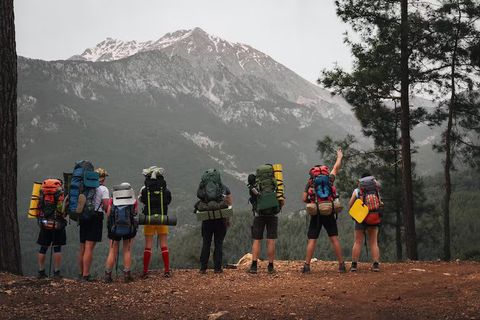
Nomad Travel Guide: Essential Steps for Flexible Living
Nomad travel is becoming a preferred lifestyle for people who want freedom from fixed routines while still maintaining income and personal growth. Many individuals dream of traveling continuously, but often struggle with stability, planning, and long-term sustainability.
Without proper structure, this lifestyle can quickly become overwhelming. Issues like inconsistent income, lack of routine, and constant movement can reduce productivity and create uncertainty.
This guide explains how travel nomads manage flexible living, how digital nomad travel works, and what practical steps you can take to build a sustainable nomadic lifestyle.
What Nomad Travel Really Means
Understanding nomad travel starts with recognizing that it is not just about moving from one place to another. It is a lifestyle built around flexibility, adaptability, and independence.
Unlike traditional travel, where trips are temporary, travel nomads integrate work, lifestyle, and exploration into one continuous experience. This means balancing professional responsibilities while navigating new environments.
For example, someone working remotely while living in different countries is practicing digital nomad travel. The goal is not just travel, but maintaining a stable life while constantly moving.
How Digital Nomad Travel Works in Reality
Digital nomad travel relies on remote work, allowing individuals to earn while exploring different destinations. However, it requires a strong system to remain effective.
A typical setup involves:
- Choosing destinations with reliable internet and essential infrastructure to ensure uninterrupted work
- Creating a flexible but consistent daily routine that balances work tasks with exploration
- Managing time zones effectively to align with clients, teams, or projects
For instance, a freelancer working from Southeast Asia may adjust their schedule to match clients in Europe or North America.
This approach allows continuous travel without sacrificing professional commitments.
Types of Travel Nomads and Lifestyle Variations
Not all travel nomads follow the same pattern. The lifestyle can vary depending on personal goals and work type.
Slow Travel Nomads
These individuals stay in one location for extended periods, allowing deeper cultural immersion and more stable routines.
Fast-Paced Nomads
They move frequently, often exploring multiple destinations within a short timeframe. This approach offers variety but requires strong planning.
Hybrid Nomads
A combination of both, where individuals alternate between long stays and short trips based on work demands.
Understanding these variations helps individuals choose a style that suits their needs and capabilities.
Benefits and Challenges of Nomad Travel
Nomad travel offers freedom, but it also comes with responsibilities and trade-offs.
Benefits include:
- Flexibility to choose where and how you live, allowing greater control over your lifestyle
- Exposure to different cultures and environments, which enhances personal growth and perspective
- Opportunity to design a work-life balance that aligns with individual preferences
Challenges include:
- Difficulty maintaining consistent routines, which can affect productivity
- Managing finances and income stability in a constantly changing environment
- Dealing with isolation or lack of long-term community connections
Recognizing both aspects helps create a more realistic approach to the lifestyle.
Practical Steps to Start a Nomad Travel Lifestyle
Starting nomad travel requires careful planning rather than impulsive decisions.
Key steps include:
- Building a reliable income source that supports remote work and flexibility
- Testing the lifestyle through short-term trips before committing fully
- Organizing essential tools such as digital platforms, communication systems, and work setups
For example, many beginners start with short remote stays before transitioning into full-time digital nomad travel.
This gradual approach reduces risk and improves long-term success.
Common Mistakes in No Mad Travel Lifestyle
The idea of no mad travel often attracts beginners who underestimate the complexity of this lifestyle.
Some common mistakes include:
- Traveling without a stable income plan, leading to financial stress
- Ignoring the importance of routine, which can reduce work efficiency
- Overplanning travel without considering work commitments
Avoiding these mistakes helps create a more balanced and sustainable experience.
Real-World Scenario: World Nomads Already Overseas
Consider a situation where world nomads already overseas need to adapt quickly to new environments. They often rely on pre-planned systems, such as backup internet options and flexible schedules.
For example, someone working remotely from Europe may suddenly need to relocate due to visa limitations. Having a structured plan allows them to continue working without disruption.
This highlights the importance of preparation and adaptability in nomad travel.
Building Long-Term Stability in Nomad Travel
Sustainability is the key factor that separates successful nomads from those who struggle.
To build long-term stability:
- Develop consistent habits that work across different locations
- Focus on maintaining productivity regardless of environment changes
- Continuously refine your workflow to adapt to new challenges
Over time, these practices help transform nomad travel from a temporary experiment into a sustainable lifestyle.
FAQ
1. What is nomad travel?
Nomad travel is a lifestyle where individuals move between locations while maintaining work and daily life.
2. How does digital nomad travel work?
It involves working remotely while traveling, using online tools and flexible schedules.
3. Who are travel nomads?
Travel nomads are individuals who combine work and travel as part of their ongoing lifestyle.
4. What is no mad travel?
It refers to a flexible travel lifestyle, often used informally to describe nomadic travel behavior.
5. How do world nomads already overseas manage work?
They use structured systems, planning, and adaptability to maintain productivity while traveling.
Conclusion
Nomad travel offers a unique opportunity to combine freedom, work, and exploration into a single lifestyle. By understanding how digital nomad travel works and avoiding common mistakes, individuals can create a balanced and sustainable approach.
Travel nomads who succeed are those who prioritize planning, adaptability, and consistency. With the right mindset and systems, nomad travel can become a long-term, fulfilling way of living.