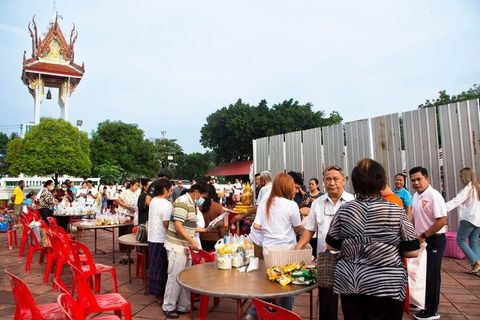
Street Food Adventures Guide to Popular Local Food Streets
Street food has evolved from a local convenience into one of the most influential parts of global travel culture. Across major cities and smaller regional destinations, travelers increasingly explore local food streets not only for affordable meals but also for cultural immersion, social interaction, and authentic culinary experiences tied closely to everyday life.
Many people don’t realize that street food environments often reveal more about a destination’s rhythm than formal restaurants. Cooking methods, crowd behavior, ingredient choices, and late-night dining habits frequently reflect the lifestyle patterns of local communities in ways traditional tourism experiences sometimes cannot capture.
This street food adventures guide explores how popular local food streets operate, why food tourism continues growing around informal dining culture, and what travelers often compare when exploring global street cuisine experiences.
Why Street Food Culture Attracts Modern Travelers
Street food experiences combine accessibility, speed, and cultural authenticity within highly social environments.
This matters because modern travelers increasingly seek experiences that feel less structured and more connected to local daily life. A crowded food lane, night market, or roadside cooking station often creates stronger sensory engagement than standard dining environments.
In practical travel situations, food streets may also provide exposure to regional dishes that rarely appear in formal restaurant chains.
For example, visitors exploring night markets in Southeast Asia frequently discover hyper-local recipes, seasonal ingredients, and preparation techniques tied directly to neighborhood traditions.
The real difference appears when travelers experience how food integrates naturally into public spaces, transportation zones, and social gathering areas.
Understanding the Appeal of Popular Local Food Streets
Popular local food streets usually function as concentrated culinary zones where multiple vendors operate within walkable public areas.
These environments often evolve naturally over time through local demand, tourism growth, or regional food traditions.
One overlooked factor is operational diversity. Some food streets focus heavily on grilled foods and fast-paced service, while others specialize in desserts, seafood, traditional snacks, or fusion cuisine.
In many cases, the atmosphere itself becomes part of the attraction. Open-air cooking, visible preparation methods, and crowd interaction frequently shape the overall experience as much as the food itself.
For example, evening food markets in metropolitan areas often create entirely different energy compared with daytime neighborhood street food environments.
Common Types of Street Food Experiences
Night Market Food Streets
Night markets usually combine food stalls, entertainment, and social activity into large evening gathering spaces.
These experiences tend to work well for travelers interested in variety, casual exploration, and local nightlife atmosphere.
Traditional Street Food Lanes
Traditional food streets often focus on long-standing regional recipes and family-operated vendors.
Many people don’t realize that some of these vendors maintain preparation techniques passed down across generations.
Tourist-Focused Food Districts
Tourism-centered food streets typically blend local cuisine with internationally recognizable dishes and multilingual accessibility.
The real difference appears when balancing convenience with authenticity during travel experiences.
Modern Fusion Food Streets
Some urban food districts now emphasize experimental cuisine, modern presentation, and social media-friendly dining experiences.
These locations often attract younger travelers looking for visually distinctive culinary trends.
Comparing Different Street Food Environments
| Food Street Type | Main Experience | Best Fit | Trade-Off |
|---|---|---|---|
| Night Markets | Variety and energy | Exploratory travelers | Larger crowds |
| Traditional Food Lanes | Cultural authenticity | Local cuisine enthusiasts | Limited seating |
| Tourist Food Districts | Accessibility | First-time visitors | Less local atmosphere |
| Fusion Food Streets | Trend-focused dining | Younger travelers | Higher pricing |
This street food comparison shows that the best street food adventures often depend on travel style, comfort preference, and cultural interest rather than popularity alone.
Decision Thinking: Choosing Street Food Experiences While Traveling
Choosing between food streets usually depends on crowd tolerance, culinary curiosity, hygiene comfort levels, and social atmosphere preference.
For example, travelers interested in cultural immersion may prioritize traditional street food lanes with long-established vendors, while casual tourists may prefer organized food districts with multilingual menus and structured seating areas.
One overlooked factor is timing. Some food streets operate best during late evenings when crowd energy peaks, while others provide better food quality during slower daytime hours.
The real difference appears when travelers understand that street food experiences vary significantly between cities, regions, and operating cultures.
In many cases, the best street food adventures happen through flexible exploration rather than rigid travel schedules.
Real-World Challenges Travelers Commonly Experience
Street food exploration also involves practical considerations.
Crowded environments, inconsistent seating availability, weather conditions, and unfamiliar ingredients may affect overall comfort levels during food-focused travel.
For example, busy urban food streets sometimes experience long wait times during tourism peaks, especially in destinations heavily promoted through social media.
Another issue involves balancing authenticity with food safety concerns. Travelers unfamiliar with local preparation practices may initially hesitate when exploring highly informal food environments.
Many people also underestimate how strongly climate conditions affect street dining experiences. Humidity, outdoor temperatures, and seasonal tourism surges may influence both food quality and crowd density.
Why Street Food Matters to Local Economies
Street food culture supports more than tourism alone.
Small-scale vendors, local ingredient suppliers, family businesses, and neighborhood economies often depend heavily on food street activity.
In practical situations, successful food districts may increase employment opportunities, nighttime commerce, and regional tourism visibility simultaneously.
For example, cities investing in organized street food infrastructure frequently experience stronger tourism engagement because visitors view culinary exploration as part of destination identity.
The real difference appears when food streets preserve regional character instead of becoming heavily commercialized tourist attractions.
Future Trends in Street Food Tourism
Street food tourism continues evolving alongside digital travel culture and social media exposure.
Many travelers now discover food destinations through online creators, location-based reviews, and viral food content rather than traditional travel advertising.
Some cities are also modernizing food street infrastructure through cleaner public dining areas, digital payment systems, and regulated vendor operations.
This matters because younger travelers increasingly value experiential dining environments that combine authenticity with convenience and visual storytelling.
Future street food adventures may become more connected to sustainable tourism, regional ingredient preservation, and culinary heritage promotion.
FAQ
1. What makes street food adventures popular among travelers?
Street food adventures combine cultural exploration, affordable dining, and local interaction within highly social environments.
2. What is the difference between night markets and traditional food streets?
Night markets usually focus on variety and entertainment, while traditional food streets emphasize long-standing regional cuisine traditions.
3. Why do travelers explore local food streets during trips?
Local food streets often provide authentic cuisine experiences connected closely to neighborhood culture and daily life.
4. What affects street food experience quality the most?
Crowd conditions, vendor consistency, timing, atmosphere, and regional authenticity often shape overall experience quality.
5. Are modern fusion food streets replacing traditional food markets?
In many cases, both styles now coexist, serving different traveler preferences and culinary interests.
Conclusion
Street food adventures continue transforming modern travel experiences by connecting visitors directly with local culture, public life, and regional cuisine traditions.
From traditional food lanes to modern fusion food districts, popular local food streets reveal how communities express identity through everyday dining culture. Many people don’t realize that some of the strongest travel memories emerge not from luxury restaurants but from crowded markets, roadside grills, and late-night food stalls shared with local residents.
As culinary tourism continues evolving, future street food experiences may become even more influential in shaping how travelers discover cities, cultures, and authentic local traditions.