Adventure Travel Packages Guide for Solo and Group Travelers
Adventure tourism has expanded far beyond traditional backpacking and extreme sports experiences. Modern travelers increasingly look for structured adventure travel packages that combine outdoor exploration, cultural immersion, physical activity, and flexible travel planning within one organized experience.
Many people don’t realize that adventure travel now covers a wide range of travel styles. Some travelers prioritize high-intensity trekking or remote wilderness expeditions, while others focus on guided nature tours, cultural exploration, or small-group outdoor experiences. The growing variety of travel formats has also made trip selection more complex for both solo travelers and organized groups.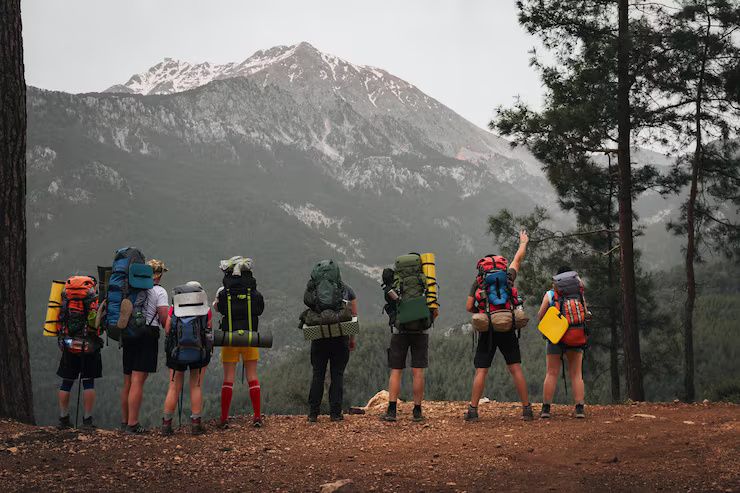
This adventure travel packages guide explores how modern adventure tourism works, compares solo and group travel structures, and explains why travelers increasingly evaluate flexibility, safety coordination, activity balance, and destination style before selecting outdoor travel experiences.
Understanding Modern Adventure Travel Experiences
Adventure travel generally combines physical activity, outdoor environments, and destination-based exploration within structured travel itineraries.
This matters because adventure tourism has evolved into a large global industry serving multiple travel preferences instead of only extreme outdoor enthusiasts.
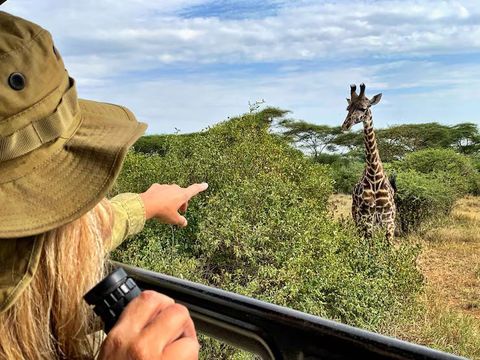
From a practical perspective, adventure travel packages may include guided hiking, wildlife exploration, mountain expeditions, water sports, cultural activities, transportation coordination, and accommodation planning.
For example, some travel operators focus on multi-country backpacking routes, while others specialize in luxury adventure travel experiences that combine outdoor activities with premium hospitality services.
The real difference appears when travel packages balance excitement with operational organization and traveler comfort.
Why Adventure Tourism Continues Growing
Adventure travel appeals to travelers seeking experiences that feel more immersive than traditional sightseeing tourism.
One overlooked factor is personal flexibility. Many travelers now prefer trips that create opportunities for active participation rather than passive travel schedules.
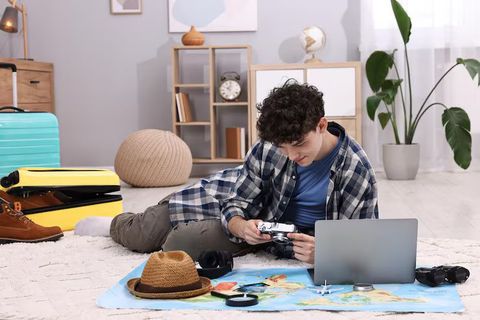
For example, younger solo travelers may prioritize social interaction and flexible itineraries, while organized group travelers often focus more heavily on safety coordination and logistical convenience.
Many people also view adventure tourism as a way to disconnect from digital routines and experience natural environments more directly.
The real difference appears when adventure travel combines exploration with meaningful local interaction and well-managed operational planning.
Common Types of Adventure Travel Packages
Guided Trekking Expeditions
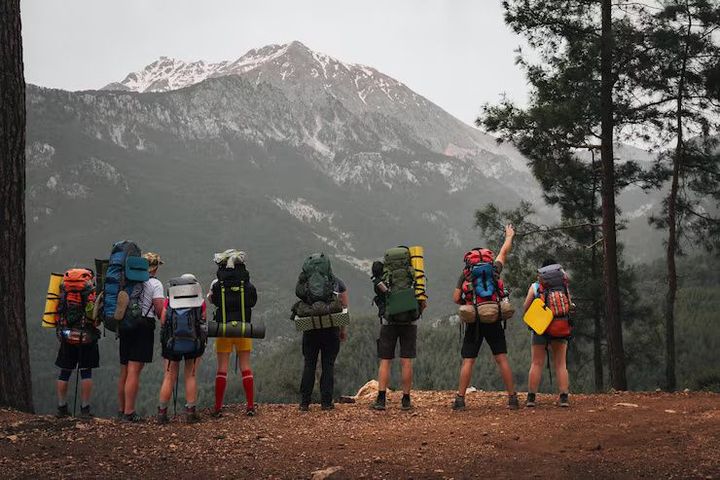
Guided trekking packages usually focus on hiking routes, mountain exploration, and nature-focused outdoor experiences.
These packages matter because route safety, weather awareness, and navigation support often become important during physically demanding trips.
Small Group Adventure Tours
Small group adventure tours combine structured itineraries with shared travel experiences among limited group sizes.
In many cases, this format tends to work well for travelers seeking social interaction without extremely large tour environments.
Solo Adventure Travel Packages
Solo travel packages often prioritize flexibility, independent exploration, and traveler support systems.
Many people don’t realize that solo-focused adventure tours frequently include community-based activities designed to reduce travel isolation.
Luxury Adventure Travel Experiences
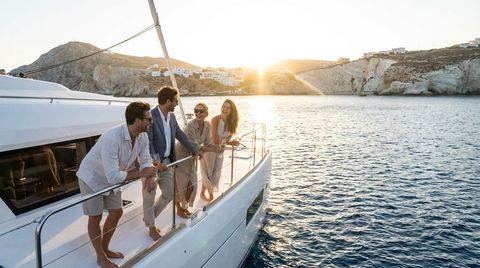
Luxury adventure travel combines outdoor activities with premium accommodation, upgraded transportation, and higher hospitality standards.
This structure appeals to travelers who want exploration experiences without sacrificing comfort consistency.
Comparing Solo and Group Adventure Travel
| Travel Style | Main Advantage | Best Fit | Trade-Off |
|---|---|---|---|
| Solo Adventure Travel | Personal flexibility | Independent travelers | Less logistical support |
| Small Group Tours | Social interaction | First-time adventurers | Shared schedules |
| Large Adventure Groups | Lower cost efficiency | Budget travelers | Reduced flexibility |
| Luxury Adventure Travel | Comfort and organization | Premium travelers | Higher pricing |
This adventure travel packages comparison shows that the best outdoor travel experience often depends on personal travel style, comfort preference, and operational expectations rather than destination popularity alone.
Decision Thinking: Choosing Adventure Travel Packages
Choosing adventure travel packages usually depends on physical activity level, group preference, destination familiarity, and scheduling flexibility.
For example, experienced travelers may prioritize remote exploration routes and independent pacing, while first-time adventure travelers often focus more heavily on guided coordination and safety support.
One overlooked factor is operational structure. Some adventure packages emphasize strict itinerary control, while others allow more spontaneous exploration opportunities.
The real difference appears when travelers select experiences aligned with their comfort level rather than only focusing on destination marketing.
In many cases, group travel provides stronger logistical reliability, but solo adventure travel may create deeper personal flexibility and cultural interaction opportunities.
Real-World Challenges in Adventure Tourism
Adventure travel environments often involve conditions that differ from standard tourism experiences.
Weather changes, transportation delays, physical exhaustion, and remote destination logistics may affect overall travel quality.
For example, trekking tours in mountainous regions sometimes experience schedule changes due to environmental conditions or safety concerns.
Another challenge involves balancing activity intensity with recovery time. Some adventure packages overload itineraries with activities, reducing overall enjoyment during longer trips.
Many people also underestimate how destination infrastructure affects adventure tourism. Remote travel locations may provide limited internet access, transportation flexibility, or medical support.
The real difference appears when travel operators maintain strong operational coordination during unpredictable conditions.
Why Safety and Coordination Matter in Adventure Travel
Adventure tourism often involves environments where operational planning becomes more important than traditional vacation settings.
This matters because outdoor activities may include physical risk, remote transportation routes, or rapidly changing environmental conditions.
For example, guided kayaking tours, desert expeditions, and mountain hiking experiences frequently require local expertise and safety preparation.
In practical situations, experienced operators usually provide stronger communication systems, emergency planning, and route coordination support.
Many travelers compare adventure travel performance based not only on destination quality but also on organizational reliability and traveler communication.
Future Trends in Adventure Travel Tourism
Adventure tourism continues evolving toward personalized experiences, sustainability practices, and technology-assisted travel planning.
Some companies now offer hybrid travel models combining independent exploration with guided support systems. Eco-conscious adventure tourism is also growing through low-impact travel experiences and community-focused tourism initiatives.
This matters because travelers increasingly seek outdoor experiences that feel authentic, flexible, and environmentally responsible.
Future adventure travel packages may focus more heavily on wellness travel, remote work integration, slow travel experiences, and specialized niche expeditions.
FAQ
1. What are adventure travel packages?
Adventure travel packages are organized travel experiences focused on outdoor activities, exploration, and destination-based physical experiences.
2. Why do solo travelers choose adventure tourism?
Solo travelers often choose adventure tourism for flexibility, exploration opportunities, and personal travel experiences.
3. What is the difference between solo and group adventure travel?
Solo travel provides greater independence, while group adventure travel offers stronger logistical coordination and shared experiences.
4. Why are small group adventure tours becoming popular?
Small group tours balance social interaction with flexibility and often provide more personalized travel experiences.
5. What affects adventure travel quality the most?
Operational coordination, safety planning, activity pacing, and destination conditions often influence overall travel satisfaction significantly.
Conclusion
Adventure travel packages continue reshaping how modern travelers explore outdoor destinations, cultural environments, and active tourism experiences.
From solo adventure travel to luxury expedition-style experiences, modern adventure tourism now supports a wide range of travel preferences and operational styles. Many people don’t realize that the overall quality of an adventure trip often depends more on organization, pacing, and coordination than on activity intensity alone.
As outdoor tourism continues evolving, future adventure travel experiences may become increasingly personalized, sustainable, and technology-supported across global travel markets.