Campervan Camping Locations Explore Scenic Travel Routes
Campervan travel has evolved from a niche outdoor hobby into a broader lifestyle movement connected to flexible tourism, remote work culture, and experience-driven travel. Travelers increasingly view campervan camping locations not simply as overnight stops, but as part of the overall journey itself.
Many people initially assume campervan travel is mainly about saving accommodation costs. In reality, the appeal often comes from route flexibility, access to remote landscapes, and the ability to combine transportation with temporary living space. Scenic travel routes, coastal highways, mountain roads, and rural nature regions have become central attractions for campervan explorers seeking slower and more immersive travel experiences.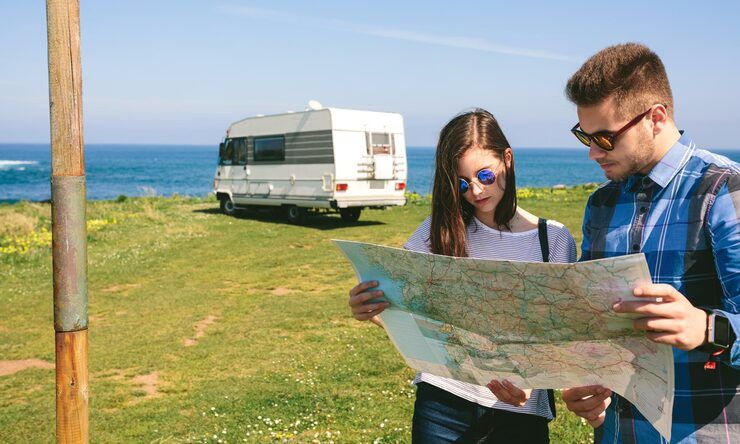
This campervan camping locations guide explores how modern campervan travel works, why scenic route planning matters, and what travelers often compare when evaluating camping environments, travel flexibility, and road trip experiences.
Understanding the Rise of Campervan Travel
Campervan travel combines transportation, temporary accommodation, and mobile exploration into one integrated travel experience.
This matters because many travelers increasingly prefer flexible travel structures over fixed hotel itineraries and tightly scheduled tourism packages. Campervan journeys allow people to adjust routes, overnight locations, and activity schedules more dynamically during travel periods.
From a practical perspective, campervan travel may involve campsite booking systems, off-grid parking areas, fuel planning, road regulations, utility management, and environmental restrictions depending on the destination region.
For example, coastal travel routes may prioritize scenic overnight parking and beach access, while mountain-based campervan routes often focus more heavily on seasonal weather conditions and elevation-related driving challenges.
The real difference appears when travelers approach campervan routes as complete lifestyle experiences rather than simple transportation methods.
Why Scenic Travel Routes Influence Campervan Experiences
The quality of a campervan journey is often connected more closely to route design than final destination selection.
One overlooked factor is pacing flexibility. Travelers using campervans frequently value the ability to stop spontaneously at lakes, forests, rural towns, or scenic overlooks without depending on rigid accommodation schedules.
For example, travelers driving through alpine regions may choose slower scenic roads over faster highways because the route itself becomes part of the travel experience.
Many people also underestimate how road infrastructure affects campervan comfort. Narrow roads, fuel station availability, campsite density, and parking regulations can significantly influence travel satisfaction.
The real difference appears when scenic travel routes balance accessibility, environmental beauty, and overnight convenience effectively.
Popular Types of Campervan Camping Locations
Coastal Campervan Routes
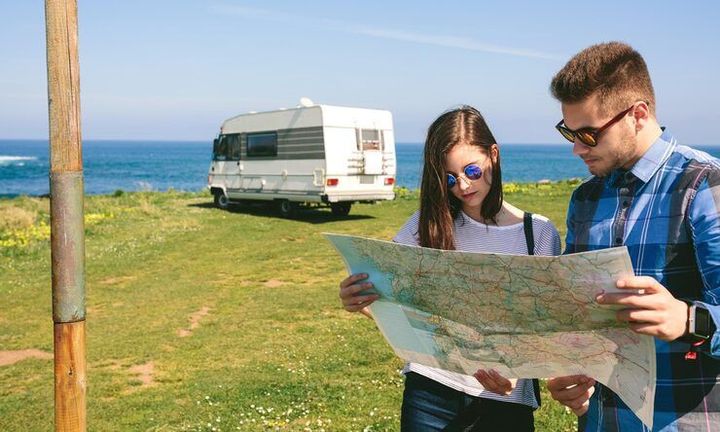
Coastal routes usually combine ocean views, beachside parking areas, and relaxed driving environments.
These routes often appeal to travelers seeking slower-paced journeys and outdoor recreation opportunities near waterfront areas.
Mountain Camping Locations
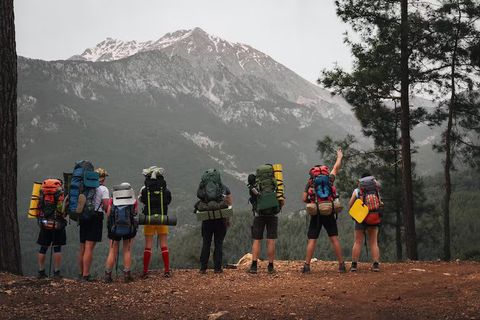
Mountain campervan routes focus more heavily on elevation landscapes, cooler temperatures, and nature-based exploration.
In many cases, these travel routes tend to work best during moderate weather seasons when road accessibility remains stable.
Forest and National Park Camping Areas
Forest-based campervan locations emphasize outdoor immersion, hiking access, and quieter overnight environments.
Many people don’t realize that campground regulations and seasonal visitor restrictions may vary significantly between protected park systems.
Rural Countryside Routes
Rural travel routes often prioritize small-town exploration, agricultural regions, and low-traffic driving experiences.
This travel style matters because some campervan travelers value local interaction and slower regional tourism over major tourist destinations.
Comparing Campervan Travel Styles
| Campervan Route Type | Main Attraction | Best Fit | Trade-Off |
|---|---|---|---|
| Coastal Routes | Ocean scenery | Relaxed travelers | Seasonal crowding |
| Mountain Routes | Nature landscapes | Adventure-focused travel | Weather sensitivity |
| Forest Camping Areas | Outdoor immersion | Hiking travelers | Limited connectivity |
| Rural Countryside Routes | Slow-paced exploration | Cultural travelers | Fewer modern facilities |
This campervan travel comparison shows that the best camping route often depends on pacing preference, driving comfort, and environmental interest rather than distance alone.
Decision Thinking: Choosing Campervan Camping Locations
Choosing campervan camping locations usually depends on route flexibility, weather conditions, infrastructure quality, and travel expectations.
For example, first-time campervan travelers may prioritize organized campgrounds with utilities and stable parking access, while experienced travelers often seek more remote overnight environments.
One overlooked factor is driving fatigue. Long scenic routes may appear attractive initially, but road quality and elevation conditions can significantly affect overall comfort during extended trips.
The real difference appears when travelers balance scenic exploration with practical overnight planning and infrastructure reliability.
In many cases, organized camping facilities provide stronger convenience and utility support, but independent route exploration may create more immersive travel experiences for experienced campervan users.
Real-World Challenges During Campervan Trips
Campervan travel introduces logistical challenges that many travelers underestimate during initial planning stages.
Fuel availability, water supply management, parking regulations, weather shifts, and campsite reservations may all influence route flexibility.
For example, remote desert routes may offer impressive landscapes but limited access to utilities and emergency services. Similarly, high-demand national park regions may require campground reservations weeks or months in advance.
Another issue involves balancing mobility with comfort. Larger campervan setups often improve sleeping and storage conditions but may reduce maneuverability on narrow scenic roads.
The real difference appears when travelers adapt route expectations realistically based on infrastructure conditions and seasonal demand patterns.
Why Campervan Travel Appeals to Modern Travelers
Modern travel behavior increasingly favors flexibility, experiential tourism, and digital independence.
Some travelers use campervans for temporary remote work lifestyles, while others prioritize nature-focused travel disconnected from urban environments.
This matters because campervan tourism supports personalized travel pacing rather than rigid itinerary structures.
For example, couples exploring regional wine routes may prioritize slow countryside travel, while adventure travelers often focus more heavily on outdoor sports access and national park mobility.
Many people don’t realize that campervan travel also changes how travelers experience time. Slower transitions between destinations often create stronger environmental awareness and reduced travel pressure.
Future Trends in Campervan Tourism
Campervan travel continues evolving through technology integration, sustainability trends, and remote lifestyle culture.
Some manufacturers now focus on electric campervan systems, solar-powered utility setups, and compact modular living designs. Campsite infrastructure is also expanding to support digital connectivity and eco-conscious travel practices.
This matters because modern travelers increasingly compare environmental impact, route flexibility, and lifestyle adaptability before selecting travel formats.
Future campervan camping locations may become more connected to sustainable tourism networks, remote work communities, and intelligent travel planning systems.
FAQ
1. What are campervan camping locations?
Campervan camping locations are designated or informal overnight travel areas designed to support mobile campervan tourism experiences.
2. Why do travelers choose scenic campervan routes?
Many travelers prefer scenic routes because they combine transportation, landscape exploration, and flexible travel pacing.
3. What affects campervan travel comfort the most?
Road quality, campsite availability, weather conditions, utility access, and vehicle size often influence overall comfort significantly.
4. Are organized campgrounds better for first-time campervan travelers?
In many cases, organized campgrounds provide easier utility access, safer parking environments, and stronger infrastructure support.
5. Why is campervan tourism becoming more popular?
Flexible travel lifestyles, outdoor tourism growth, and remote work culture have contributed to increased campervan travel demand.
Conclusion
Campervan camping locations continue reshaping how travelers approach scenic tourism, outdoor exploration, and flexible mobility experiences.
From coastal road trips to mountain-based camping routes, modern campervan travel often combines transportation, lifestyle flexibility, and environmental immersion into one integrated journey. Many people don’t realize that the quality of the route itself frequently influences satisfaction more strongly than the final destination alone.
As travel behavior continues evolving, future campervan tourism may become increasingly connected to sustainability, remote living culture, and personalized exploration across scenic travel networks.