Adventure Travel Locations Explore Mountain Hiking Adventures
Adventure travel has evolved from a niche outdoor activity into a major segment of global tourism. Travelers increasingly search for destinations that combine physical challenge, environmental exploration, and immersive outdoor experiences rather than conventional sightseeing alone. Among these experiences, mountain hiking adventures continue attracting both experienced trekkers and first-time explorers looking for deeper engagement with nature.
Out there, where paths get rough and signals fade, a different kind of trip has quietly spread. Not long ago, only the tough with heavy boots chased such moments - now city dwellers swap cafes for cliff edges. Motion matters more than monuments; feet on soil beats posed shots near crowded lookouts. Peaks call, sure, but so does simply breathing deep above tree lines. Even those fresh to trails find themselves drawn - not by fame, but friction, wind, silence. Rocks stay cold under hands no matter who touches them.
This path into raw landscapes reveals why folks keep returning to high routes. It is less about trend, more about a pull that feels ancient. One trail slips between still trees, another climbs bare edges beneath stretching clouds. When storms roll in suddenly, everything alters in minutes. Up top, sunlight feels harsher even if it vanishes fast. Steps change with the ground - moss underfoot one moment, jagged rock the next. Where paths split from open land, people pause. Their bags hold more than jackets; choices go beyond just warmth. When inclines get tough, shoes make all the difference. Out there, rest comes when horizons open wide or streams shine clean. Thoughts take shape step by step across endless trail stretches. Routes thin out after countless feet press through year after year. The earth keeps breaking easily despite more people showing up. What you decide before stepping off changes how it all unfolds down the line.
Mountain adventure travel keeps growing
Outside air pulls harder on travelers these days than plush hotel rooms. Adventure tugs at decisions where ease once ruled without question.
Up top on mountain trails, breathing hard sometimes goes hand in hand with spotting wild plants, leaving traffic noise behind. True - more folks now look for journeys that feel close to who they are, not only quick laughs between work days.
Up high, where the slope grows sharp, emotions change unlike anything pavement can offer. Silence arrives instead of clamor - rhythm slows, awareness sharpens, each step gains weight. Though cities pulse with rush, summits rest in quiet tension. Skin touches stone, air scours thinking, space crowds near even with no barriers. Street journeys jump between flashes and noise; up here, moments stretch bare beneath endless blue.
Walking through mountains isn’t just visiting a place. These journeys unfold slowly - wide spaces stretch out, weather shifts fast, feet keep moving because bodies push ahead. The earth decides when to slow you down. Air grows thin, then gusts rush in, changing everything again. One stride follows breath, the next answers cold air biting skin.
Here, one thing stands out - beauty hits harder when access doesn’t smooth out the rough edges of the trail. The real value shows up where walking becomes both doable and untamed. A route that lets you arrive without losing the grit - that’s what makes a spot stay with you.
Modern Adventure Travel Spots
Out here, location alone can make a place right for bold journeys. When storms roll through matters just as much - timing shifts everything. Paths cut by tires or boots decide what kind of movement works. The deeper you go past help, the sharper things feel underfoot.
Some trails come with cabins nearby every so often, making life easier. Where paths disappear, knowing how to read a map becomes essential. One stretch may show clear signs, while the next leaves you guessing. Movement changes depending on what the land allows.
Nowhere near help, the path looks peaceful until weather cuts access without warning. Roads shut when skies darken sooner than expected - choices vanish overnight. A breakdown means waiting long, just because of location. Experts who know routes tend to disappear outside busy seasons. Beauty remains stunning, that is certain - but safety decides every move.
Heading into trails made for walkers, plenty find their footing easily. But remote corners of the backcountry - those usually call to ones already at home in tough terrain.
Types of mountain hikes
Alpine Mountain Trekking
Up high, hiking routes wind through mountain zones where cold air lingers without change. Because the terrain shifts unpredictably beneath each step, experience matters more on these stretches.
Up high, paths turn rough if rain arrives quick. The thing that changes everything? Cold meets wet at a moment's notice. Ground grows slippery just as warmth fades away. Moving forward asks more when weather swings hard. Air feels lighter right before fog closes in tight.
Forest and valley hiking trails
Beneath the canopy, paths slip between changing greenery, climbing just enough to uncover small movements beside the route. Step by step, the journey traces old roots and wet earth, gliding beyond fuzzy moss and shadow until brightness cuts across the way. With every curve, a new sprout appears - taking hold, adjusting - as if nothing ever truly rests.
These trails suit hikers wanting more than a stroll - yet nothing extreme. Tough enough to feel adventurous, yet low enough to skip altitude trouble.
Multi-Day Expedition Hiking
Out here, the first move kicks off miles of walking through uneven ground. Far from streetlights, darkness settles into cabins tucked beyond towns. Reaching those spots with gear? That needs planning stretched over days.
Out there, where trails drag on, saving energy turns into the main thing that counts. When skies change without warning, it hits harder the farther you go. Rough ground doesn’t only challenge muscles - strategy gets pushed too. Being alert for the unexpected helps most once familiar landmarks fade behind.
Guided Adventure Travel Experiences
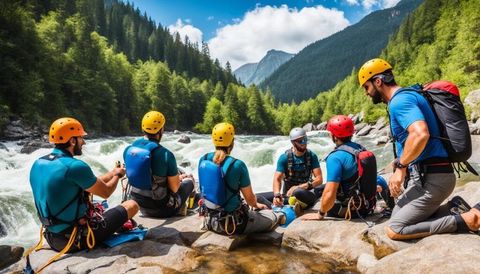
Footsteps fall in rhythm when a leader picks the way, pointing out plants and changes along the trail. With someone watching the map, the group moves smoothly across land that alters with weather and time. As light stretches or shortens, views come alive through stories tied to soil, slope, and sky. Each turn reveals why the ground feels different beneath boots now than it did miles back.
Starting out on mountain paths? This method tends to feel less tricky. When distant summits look messy to navigate, it clears up the confusion instead.
adventure hiking across different landscapes
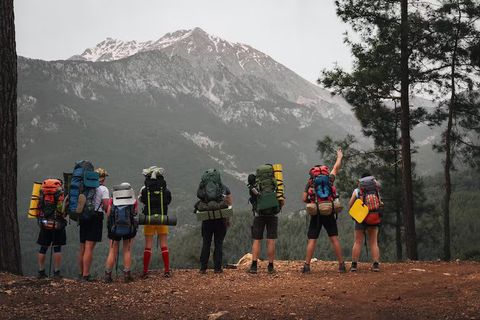
Mountains call those who’ve walked tough trails before. Rugged peaks rise without warning above the path. Hikers with solid stamina find their rhythm here. Thin air tests strength at higher elevations. Trees line quieter paths below the snowline. Trailheads sit close to transport hubs. Weekend explorers step into wild spaces easily. Slopes soften near valley floors. Trips stretch across several days under open skies. Nature surrounds without interruption once you’re deep in. Those moving slowly through countries settle well here. Bodies must push harder than usual each hour. Experts lead groups through risky sections. Meals, gear, help - all handled along the way. Newcomers gain confidence with planned support. Fixed timetables shape how time unfolds.
Oddly enough, choosing a great hike goes beyond online fame. Stamina counts - certain paths test your breath and legs hard. Forests charm certain people, whereas wide-open deserts grab others by surprise. How simple it is to reach a trail might beat out well-known peaks every time. Fame slips away fast once pebbles start crunching underfoot.
Hiking Locations in the Mountains
Weather decides things for most people when choosing a trail. Yet fitness matters just as much, sometimes more. Getting there can be the real test, depending on the path. Hidden reasons guide decisions, even if nobody admits it.
A walker steps into wild spaces, roads nearly absent, support nowhere near. Still someone else picks paths well marked, assistance within reach should moments turn hard. Far from common routes, quiet becomes the reward for one. For another, safety lives in order, patterns that hold each day steady. Alone time brings calm to certain people. For some, comfort comes when schedules stay fixed.
Up top, the thin air shifts how your body works. Down low a path might seem gentle - now each step pulls harder at your lungs because every breath holds less oxygen than before.
Clear sight changes everything. Once folks notice their actual environment, not just shiny online versions or crowd opinions, certain truths appear. Reality shifts when perception moves beyond filters and noise. What matters reveals itself slowly, then suddenly.
Out front, tough paths usually mean group outings work better without fuss. Yet alone on the trail, experienced hikers find their pace matching the land more easily.
real world challenges during adventure travel
Mountain adventure tourism often involves environmental unpredictability.
Some days bring sudden shifts, closing trails you planned to take. Up high, breathing gets uneven, throwing off how you feel by midday. Plans shift when buses stall or signs redirect without notice. After hours of walking, energy slips away like sand through fingers. Famous paths can still catch you off guard. Things change quickly out there - smooth going isn’t promised.
When rain strikes the hills, trails get slippery without warning - navigation grows harder just as progress slows down.
Most folks believe they’re tougher than their limits suggest. Upward trails, stretched over days, chip away at solid bodies. When storms move in, pressure builds quietly. Miles stack higher just as you stop watching.
Most important things appear when plans match the trail's roughness together with shifting skies. A step forward depends on ground conditions just as much as wind or rain decides pace.
How sustainable adventure tourism affects nature and communities
Footsteps weigh more on mountain slopes these days, thanks to a rise in wanderers chasing raw adventure. As thrill hunters return year after year, trails begin fraying at the edges. Where earth once held firm, thinning soil reveals strain from constant motion. Even remote summits hum now, filled with voices where silence used to settle. Underfoot, thin earth splits from endless tread. Where silence held sway, now footsteps stir what waited long below.
Footsteps grow heavy where crowds gather on well-known routes. Trails begin to fade under constant pressure from passing boots. Garbage collects slowly, left behind without a way to clear it. Narrow spots fill fast, bodies packed close, slowing every step forward. Each seasonal rush takes its quiet toll on trees, soil, and birds alike.
Footsteps pile up, then the slopes start to crack. Once trails wear thin, healing drags on without hurry. Where soil washes away, green things find it hard to return. What breaks today leaves marks far into tomorrow.
Picture well-known trails - certain spots limit visitors since constant walking damages soil and plants. Now here, now there, restrictions appear based on what forests or hills can endure. Entry slips become necessary, not to keep folks out but to spread hikers across days. When entry points are guided gently, strain lessens. With fewer boots passing through at once, roots regrow, birds return, silence rebuilds.
Strange, really, how little thought goes into footprints left behind - each step nudging regrowth in unseen ways while villages off-path adjust water plans years afterward without knowing why. Trails change slowly because of these quiet decisions piling up where nobody looks twice.
Adventure travel evolving with new ways people explore
Here, journeys into nature are changing shape. Personalized treks now pair with accommodations designed to disturb less. It’s not only about crossing terrain, yet decisions made along the way matter more. Traces left behind grow fainter by intent.
Out here, some leaders pick small crews, rest in eco-friendly spots, then switch to tech gadgets when navigating paths. Lately, hikes aimed at well-being have been drawing bigger crowds.
Out here, away from marked paths, it’s clear that affection shapes where folks go. It isn’t only about views caught but marks made - those linger too, quietly guiding today's steps. With this change humming underneath, trips gain weight when trees stand tall and traditions aren’t bent, when thought lives in tiny things done right. A moment holds truth once it grows from soil, never ordered online or staged. Movement across land shifts by inches, though what we hope for tightens like a rope pulled one knot at a time.
Hiking high up one morning may rely less on chance, instead growing from shared efforts among conservation teams. Online resources can lay out your route ahead of time. Paths shaped with attention might open access while protecting terrain. Next shifts? Unclear still. The way folks care for natural spaces stays the biggest factor.
FAQ
1. What are adventure travel locations?
Adventure travel spots are really just places made for hiking, climbing, or pushing through raw landscapes. Motion takes center stage, not luxury. Wild spaces grab hold once you’re inside them. Rivers, narrow paths, sharp inclines - these demand effort. Comfort fades when your legs burn on an uphill stretch near sunrise. The forest calls louder than any notification. Ground underfoot keeps things real. Stillness doesn’t last long out here.
2. Why are mountain hiking adventures becoming more popular?
Out there, where the ground stays rough, feet learn what strength feels like. Trails that twist under thick branches ask patience before granting passage. Anyone chasing something real finds it in these raw stretches of earth. Seeing turns deeper when the route refuses to be easy. Quiet wins grow strong with every pace through unspoiled corners.
3. What is the difference between guided and independent hiking trips?
Most trails offer local guides plus support crews nearby. Moving alone? That sets your own pace without waiting around.
4. Why does altitude affect hiking performance?
Heavy steps come easier when the sky opens up above. Fewer gasps do the job as elevation steals the ease from lungs. Air stretches out, thinning past what bodies know down low. Muscles ask louder the farther they climb into sparse air. Breath shifts mid-stride, catching many off guard. Each footfall pulls harder when oxygen slips away overhead.
5. What affects mountain hiking safety the most?
One breath, the wind shifts - suddenly the path doesn’t feel quite right. When the climb gets sharp, it matters if legs have trained or just guessed. Up high, each step pulls harder at your breathing than down below ever did. Before boots hit dirt, eyes trace lines on paper - that quiet study changes everything once walking begins.
Conclusion
Wild corners call to those keen on touching raw earth. Strength gets measured here, but so does focus. Where trails break from habit, another sort of path unfolds. The shift beneath boots shapes the pace. Movement ties body to land - comfort seldom offers such links.
Out there, hiking stuff runs from super light packs to guided mountain trips - proof that getting deep in the wild mixes effort with care for the land. Easy to miss, but solid hikes depend more on reading the route than chasing popular views, built instead around smart prep, clear maps, adapting fast if skies turn rough.
Footsteps up high may look different soon, thanks to evolving ways of exploring wild places. As years pass, climbing peaks might place greater weight on protecting the environment. Gadgets find their way into packs without making a sound. The urge to roam far corners helps decide which paths get taken. What happens on trails can reflect broader patterns in human movement.