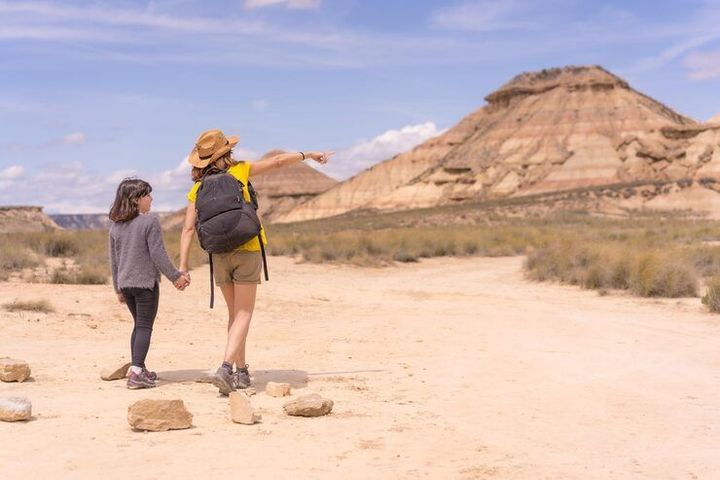
Desert Adventure Travel Guide: Tips for Safe and Fun Journeys
Out there beyond the paved roads, shifting sands stretch wide under relentless sun. When temperatures swing wildly, staying prepared makes all the difference. Getting lost happens easier than most expect once landmarks vanish behind dust. Because help can be hours or days away, knowing how to respond matters more than speed. Carrying enough water beats any shortcut when survival's on the line. Preparation shifts from option to necessity where rescue isn’t just around the bend.
Out there under open skies, getting ready ahead of time makes all the difference. Instead of rushing in blind, taking slow steps toward readiness shapes how things unfold. A clear head plus solid prep work keeps surprises smaller. Thoughtful moves before departure set the tone once you’re far from roads. Once underway, calm choices matter just as much as what went into packing.
This guide walks through how to plan your trip across sandy stretches, sharing straightforward advice so the journey stays smooth and secure. Step-by-step thoughts come together quietly, shaping choices that keep surprises small and confidence steady.
Desert Adventure Travel Guide Understanding the Environment
Under a wide sky, one thing stands clear - desert travel starts by knowing what kind of land waits ahead. Heat swings hard here, water hides scarce, while empty stretches go on until they blur at the edges.
Out there beyond the dunes, things shift without warning. When skies turn sharp and winds pick up, knowing what lies beneath your feet really matters. A sudden drop in temperature might catch you off guard - unless you’ve paid attention to how the land behaves. Reading signs in the sand, watching cloud patterns, even listening closely at dawn - all these shape safer steps forward.
Heat beats hard when you step into the dunes, so knowing what lies ahead changes how you pack. Sand shifts without warning, often catching people off guard mid-journey. Isolation creeps in faster than most expect under wide open skies. Preparation becomes quiet strength when landmarks vanish behind dust.
Desert travel planning tips shape journey outcomes
Start with water - always pack extra, since finding it out there isn’t guaranteed. A map matters more when landmarks vanish under sand. Time your move: midday heat drains energy fast, so begin early or wait till air cools. Shelter needs thought, not luck; shade can save you if temperatures soar. Vehicles require checks before heading into open dunes - sand jams engines. Know the signs of exhaustion, they creep up quiet and sudden. Fuel routes carefully, gas stations might be hundreds of miles apart. Communication tools must work, even in dead zones. Carry signals that stand out - a mirror, flare, anything bright. Watch weather shifts closely, storms rise without warning.
Most trips go better when plans are set ahead of time. Starting early means less stress later. Packing, routes, schedules - get them sorted while there is still light outside. A morning with fewer surprises often begins the night before. Little things become easier once big ones have names and times. Knowing what comes next helps avoid confusion down roads that twist. Smooth travels usually follow quiet preparation.
Key planning strategies include:
- Looking into where you’re headed gives a clear picture of what kind of weather to expect, how rough the ground might be, also any dangers that could come up along the way. What lies ahead becomes less unknown once details unfold slowly.
- Midday sun can be harsh - timing your trip right keeps things calmer on the road. When hours are chosen wisely, risks drop without extra effort.
- A well-marked path lowers risk when crossing vast, empty stretches of sand. Though direction seems obvious at first, details fade fast under wide sky. Following set points keeps movement steady where landmarks disappear. Mistakes grow bigger when no roads remain. A single wrong turn spreads quickly in flat, unbroken terrain. Staying on course means thinking ahead, far beyond what's visible now.
Travelers feel more sure of themselves when they plan desert trips using these techniques. Confidence grows naturally through careful preparation that keeps people out of danger.
Staying Safe While Traveling in the Desert
Out there under open sky, staying alert makes all the difference. When sand meets sun, readiness shapes how well you cope.
Out there, where signals fade, noticing what’s around you makes a difference. When plans shift without warning, having basics ready cuts down on trouble. Remote spots ask for caution - keep that in mind before moving out. Watchful steps mean fewer surprises later.
Important safety tips include:
- When you bring enough water, your body stays balanced. That balance stops dehydration from taking hold out there under the sun. Deserts challenge anyone who ignores how fast fluids disappear in such heat.
- Staying safe in the sun means wearing clothes that shield your skin when you're on the move. Heat problems can sneak up while traveling, yet simple coverage makes a difference. Fabric between rays and body often keeps things under control. Loose layers work well even when temperatures climb. What you wear matters just as much as sunscreen does sometimes. Protection comes down to choices made before stepping outside.
- When things go wrong, having ways to call for help makes a difference. Tools that show where you are work hand in hand with devices that send messages. Without them, getting out of trouble gets harder. Knowing your location matters just as much as sharing it. Staying found means both pointing the way and reaching others.
These desert safety tips help travelers stay prepared and avoid common dangers.
Desert Adventure Travel Guide for All Travel Styles
Whatever journey you imagine, the desert asks more questions than it answers. Depending on how you move through it, gear shifts without warning. Some paths demand stamina others patience above all else.
Short Desert Trips
Packing light means less stress when starting out. What matters most fits in a small bag. Simple plans work better at first. Fewer choices help avoid confusion early on.
Extended Desert Travel
Beyond short walks, journeys stretch further when maps guide steps. Meals need packing right, else hunger hits hard down the trail. Water must be measured early, not guessed along the way. Thinking ahead shapes how far you can go without trouble.
Adventure-Based Travel
Walking long distances through wild areas means knowing what lies ahead - ground slopes matter just as much as gear choices. Rugged journeys depend on checking landscape details before setting out. Unexpected paths demand clear thinking about both weather shifts and surface changes.
Out there under open skies, shifting plans works better when you match moves to how you like traveling plus what the land throws your way.
Desert Travel Advice for Newcomers
Trying out desert journey advice where it counts builds self-assurance while cutting down errors. Getting your hands dirty matters most when moving across harsh terrain. Real know-how grows not from reading but doing what feels rough at first.
Take short desert outings first - newcomers get a feel for the environment without stress. Experience grows bit by bit when you ease into it.
Morning trips often work better under milder sun. Cooler air hits less harsh on skin when moving early instead of midday.
Practical tips include:
- Start light, stay covered - fabric that breathes keeps you cool under bright skies. Protection slips on easily when layers block rays without weight.
- Packed right, gear stays handy when you need it most on the move. A smart layout means less searching, more doing along the path.
- When skies shift fast, knowing what's coming keeps those on the move one step ahead. Weather awareness becomes a quiet ally for anyone navigating unpredictable outdoors.
Travel becomes smoother, safer when new approaches are used. Ways that work better often prevent problems before they start. Efficiency grows where smart changes take place. Safety rises without needing extra steps.
Desert travel problems and how people deal with them
Out in the desert, tough conditions might shake up your trip when left unchecked. Knowing what to expect makes dealing with it smoother.
Heat that feels too intense, trouble finding the way, also few supplies - these often challenge those on long trips.
Practical solutions include:
- Early trips dodge the sun's peak burn. Mornings cool things down before they get hot again. Nights stay gentler when the day has passed. Moving at edges of daylight keeps steps easier. Heat fades once sunlight slips away.
- Out there where the land stretches wide, a good map keeps you on track. Wandering without one might leave you turning in circles. When paths fade, trusty instruments point the right way. Getting your bearings early means fewer surprises later. A steady compass beats guessing every time.
- When plans shift, having spare items on hand helps. A delay might hit - extra gear keeps things moving. Stuff you didn’t expect could happen; being stocked makes a difference. If something runs late, backup pieces fill the gap. Unplanned moments come up - readiness softens the impact.
Travel through deserts becomes safer with these tools, while also making the journey more comfortable. Though small, they shape how smoothly things go when far from roads. A person moves better when equipped right, especially under hot skies. Each item helps handle heat, distance, or sudden changes in weather. Out there, even slight advantages can shift outcomes meaningfully.
Safe and fun ways to travel in the desert
Most who make it across plan carefully while staying alert. When conditions shift, those ready to adjust usually cope best.
Most of the time, what matters shows up when risk takes a back seat. Safety finds its place once the noise fades. Important moments rise without needing permission.
When you know what’s around you, getting ready feels more natural. That kind of setup brings a steadier hand on the journey. Things just click when awareness comes first.
Effective strategies include:
- Staying safe begins with planning - this keeps surprises small when moving through unfamiliar places. What matters most is being ready, because unprepared trips often lead to avoidable trouble. A steady pace comes from knowing what's ahead, not reacting once things go wrong. When plans include room for change, stress stays low even if delays happen. Control isn't about strict rules but adapting well when conditions shift.
- When things stay simple, choices get clearer, especially where nothing feels familiar. Confusion slips away if the plan stays light and plain.
- When things change, being ready to shift helps when storms roll in or paths close. A plan that bends keeps moving even if skies turn gray or roads get blocked.
Traveling through deserts becomes smoother when plans include these methods, because they improve how trips unfold. A well-thought-out approach helps handle harsh conditions simply by preparing ahead.
FAQ
What is a desert adventure travel guide?
Traveling through deserts becomes easier when a guide shows the way. One step at a time, it keeps plans clear and people safe. Instead of guessing what to pack, advice fits each journey's needs. With structure in place, surprises turn manageable. Following trusted steps means fewer risks out under open skies.
Why are desert travel safety tips important?
Staying safe on the move means sidestepping trouble like running low on water, facing harsh sun, or getting lost along the way.
How can beginners prepare for desert travel?
Starting out means thinking ahead, packing what you need before stepping into open sand. One wrong move can change everything - bring water, a map, extra food just in case. Steps matter when learning how to walk far under hot skies.
What are common challenges in desert travel?
Out here, heat can fry circuits one day, freeze them the next. Supplies run thin when routes stretch long. Figuring out where you are? That part often goes sideways.
What are essential desert adventure tips?
Water matters most when you head out. Try mapping your path before stepping into open spaces. Weather shifts fast - pack gear that handles surprises.
Conclusion
Starting strong means knowing what lies ahead when crossing dry lands. With clear steps in mind, staying alert becomes easier under open skies. One wrong move can shift everything - planning fixes that. Following simple rules keeps danger at a distance without fuss. Confidence grows when gear matches weather and paths are known. Smooth trips come from early choices, not luck. What matters most shows up long before reaching sand dunes.
Out there, where the sun bakes the sand, thinking ahead makes all the difference. A smart move here means checking the weather before you go - simple but vital. Instead of rushing in blind, take time to study the land; it changes fast. When you watch the sky closely, surprises stay small. Preparation turns rough ground into something peaceful. Good choices start long before boots hit dust. The quiet heat holds beauty, just only if you respect its pace.