Eco Tourism Guide to Responsible Travel and Nature Conservation
Eco tourism has become increasingly important as modern travelers seek meaningful experiences without harming the environment. Many people want to explore natural landscapes, but unknowingly contribute to pollution, habitat damage, and cultural disruption.
What matters isn’t moving from place to place, instead it’s the way we do it. When people ignore context, short journeys still harm nature along with towns nearby.
This guide breaks down eco tourism by showing what it means, how it functions, because understanding matters. It looks at responsible ways to journey without damaging natural spaces since choices shape outcomes. Ecotours appear here, along with places known for true eco practices when travelers care enough. Examples reveal how visiting fragile areas helps protect them rather than ruin them through awareness.
Eco Tourism What It Means And Stands For
Picture this: eco tourism isn’t just a label slapped on a trip. Travel done right can guard nature at the same time it lifts up people who live there.
Out in the real world, eco tourism means leaving things as they are. Waste gets kept low, energy and water stay protected, while local ways of life aren’t disturbed. The point isn’t only seeing wild places - keeping them alive matters more.
Start with nature care, then weave in helping locals - this shapes what travelers often mean by eco tourism. Instead of just visiting places, it focuses on leaving things better than found. Think long term health for ecosystems, alongside fair chances for residents to thrive. What sets it apart? Regular trips rarely build these layers into their purpose.
Ecotours in everyday travel
Out in nature, some trips focus on learning instead of just sightseeing. These journeys care about keeping ecosystems intact, so choices get made with caution. Usually, guides explain what grows or lives nearby because knowledge matters here. Regular tourism might ignore such details, yet these ones build around them. Protection comes first when paths go through fragile areas. Awareness spreads quietly among those who take part.
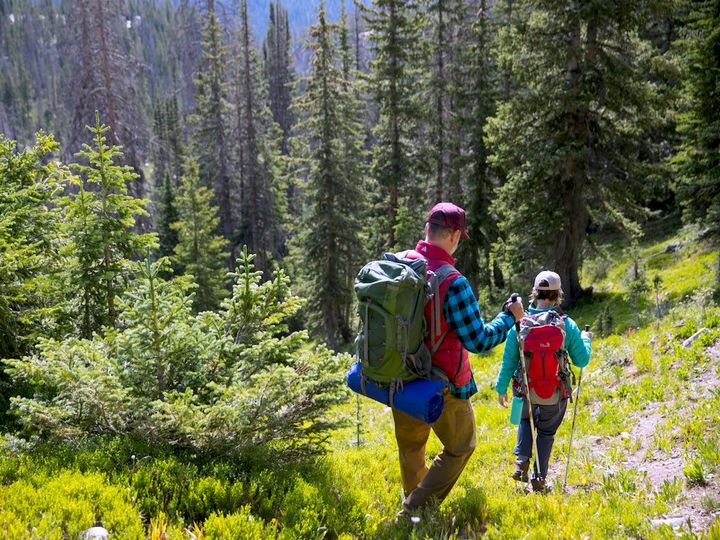
Take a forest ecotour - visitors stick to marked trails rather than wandering off. Because of this, nature stays intact while animals live without interruption.
Out by the shore, some trips include helping protect coral reefs - folks get to know ocean life up close while pitching in. Sometimes it's hands-on work that ties learning to real results. Not every tour does this, but when they do, people walk away knowing more than just facts. The water becomes part of the lesson, not just a backdrop. These moments stick because doing matters more than watching. What sticks isn’t always what was taught at first.
Fun trips happen when care for nature comes along too. Sometimes joy fits right beside doing good things. A different kind of travel proves pleasure does not need harm. Moments like these mix discovery with respect. Good times grow where attention to earth stays strong.
Types of Eco Tourism Destinations
Some places suit nature lovers better than others when traveling lightly on the planet. Picking one that matches why you’re going can support long term care for natural spaces.
Natural Protected Areas
Among them are places like national parks, where rules tightly control activity to safeguard species even though people visit less often. Wildlife reserves also fall into this group, their boundaries drawn to minimize harm while nature stays undisturbed deep inside.
Community-Based Tourism Areas
From village halls to market stalls, people run tours that keep money close to home while honoring old ways of life. Out here, visitors follow paths shaped by locals who guard both livelihoods and heritage.
Coastal and Marine Areas
Out here, safeguarding the sea means limiting visitors while keeping human impact low. Coral stays healthier when travel follows strict local rules. Marine creatures thrive where tourism slows down crowd sizes. Protection kicks in once guidelines shape how people explore underwater spaces.
Out there among these green spots, visitors find wild beauty without harming it. Moving through them means helping protect what grows and lives nearby.
Ecotourism Examples Showing Real Impact
Peering into real cases shows what ecotourism actually looks like on the ground.
A visitor at a wildlife sanctuary chooses group tours led by guides rather than wandering alone, which keeps animal routines less disrupted. Off the beaten path, some rest in green cabins powered by sun or wind while sorting trash carefully to leave little behind.
Out here, visitors often find themselves learning traditional crafts alongside locals. That kind of exchange also brings income directly into small towns. Sometimes it starts with a shared meal. Other times a workshop opens the door. These experiences grow naturally out of daily life. People teach what they know best. The help that comes through participation makes a difference. Not every moment feels structured. Much of it unfolds simply by being present.
Out in the world, actual trips show what happens when holidays care about nature - learning slips in without warning. Moments like these prove travel might just teach something meaningful along the way.
Benefits and Limits of Eco Tourism
One big plus of eco tourism? It helps protect nature while letting people explore wild places. Still, some trips might cost more than regular vacations due to smaller groups and remote locations. Sometimes access is tough - roads can be rough or nonexistent. On the flip side, local communities often benefit directly when visitors choose responsible tours. Yet, without clear rules, even well-meaning travel may harm fragile environments. Every journey leaves a mark, whether seen or unseen.
Benefits
- Money flows into nature protection because it backs efforts to save wild spaces plus animal life
- Through travel, bonds form between visitors and residents, opening windows into different ways of life
- Built into daily routines, these choices slowly cut future harm to nature. A shift here, a tweak there - over time, less waste slips through. Small steps today mean fewer problems later on. Habit by habit, the planet gets a break it actually needs
Limitations
- Where nature stays protected, getting there might take extra effort. Paths often remain closed to keep things wild. Fewer visitors help preserve what's fragile. Reaching these places usually means following strict rules. Not every spot opens wide for tourists. Conservation goals shape how people arrive. Remote areas stay off limits by design
- Planning requires more effort compared to conventional tourism
- Some green promises in travel don’t hold up when checked. That’s why looking deeper into what companies actually do matters. Truth often hides behind catchy words. Spotting real effort takes attention, not trust. Actions speak louder than slogans, especially where nature is involved
Seeing things from each angle gives travelers clearer choices.
Simple Ways to Travel with Less Impact on Nature
Starting with how you pack might shift everything. Choosing reusable items over single-use ones helps reduce waste slowly. Even walking instead of driving changes the impact. Staying in locally-run places supports communities directly. Picking trails that are less crowded keeps nature undisturbed. What seems minor at first adds up clearly later. How travelers act shapes environments more than expected.
Some practical tips include:
- Choosing eco-friendly accommodations that follow sustainable practices such as energy efficiency and waste reduction
- Carrying reusable items to reduce dependence on single-use plastics during travel
- Following community standards while sticking to nature laws helps reduce harm to ecosystems
- Supporting local businesses to ensure that tourism benefits the community directly
Staying steady on this path means fun doesn’t crowd out duty. A little care keeps things moving without tipping the scale.
Travelers Often Harm Nature While Trying to See It
Most people mean well, yet slip up now and then when trying to travel responsibly. These small errors can quietly undo some of the benefits ecotourism aims to provide.
Not every trip into nature helps the planet. When oversight falls short, visitors might damage ecosystems even with good intentions.
Failing to follow local rules often harms nature while upsetting community traditions.
Too much use of things like water or power shows up often, particularly where environments are fragile.
Staying clear of such errors keeps eco tourism honest. What matters most shows up when missteps fade into the background. Slipups? They quietly undo trust. Without them, the whole effort feels real. Mistakes sidelined means truth stays front and center.
Thinking Clearly About Travel Choices
What matters most in eco tourism isn’t the place you go. It’s how you think while getting there. A shift happens when people choose ways of moving through the world more gently. Each step taken can support long-term care for nature, if done right. Decisions shape impact - what you eat, where you stay, how you explore.
One way to start is by noticing how actions affect nature. Choices matter more when they come from knowledge instead of habit. Staying open to new ways of protecting resources makes a difference over time.
Thinking carefully about consequences helps eco tourism last, turning it into something steady instead of just a passing phase.
FAQ
1. What is eco tourism?
Travel that cares for nature often lifts up people living nearby. This kind of journey puts conservation first while helping villages thrive alongside it.
2. What are ecotours?
Out in nature, guides lead small groups through wild places while sharing stories about plants and animals. Learning happens step by step as people walk trails that leave little trace behind. These trips often support local communities instead of big outside companies. Protecting landscapes becomes part of the journey, quietly shaping how visitors see the world.
3. What are eco tourism destinations?
Some places care more about protecting nature while welcoming visitors. Others focus on keeping ecosystems safe alongside thoughtful travel habits.
4. What are some ecotourism examples?
Take wildlife conservation tours, stay at eco lodges, or join local tourism initiatives run by communities. These options let travelers engage directly with nature and culture without harming either.
5. What does eco tourism mean?
Walking lightly on the land matters, yet it also lifts up people who live there. What counts is moving through places without leaving deep marks behind.
Conclusion
Traveling with care for nature turns every journey into something bigger. What if exploring also meant giving back. Instead of just visiting places, imagine leaving them better. This kind of travel focuses on balance - respecting ecosystems while connecting with local people. When choices protect forests, rivers, and cultures, each trip adds up. Small actions shape outcomes behind the scenes. Meaning grows when footprints stay light.
Out here, picking green getaways shapes what comes next. When people join nature trips, they leave less behind. These journeys let visitors experience wild places without wearing them down. Choices like these keep forests humming for those who follow.-